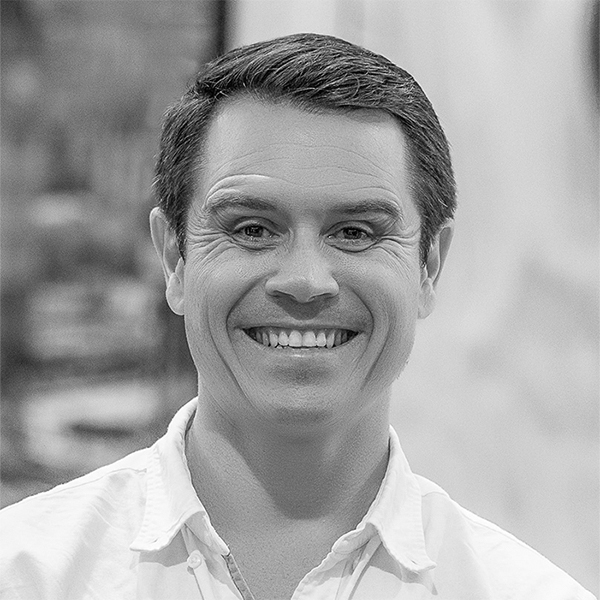

By Amanda Gleig, Training Manager, Auctus Coaching
Last month I stood in front of 30 mortgage brokers and support staff at The Summit in Cebu, ready to deliver a message that many didn’t expect (and some didn’t want to hear). Not about interest rates, not about lead funnels, not about compliance. I spoke about emotion. Specifically, the Emotional Bank and why brokers must learn to deposit into it daily.
Let me be clear: this isn’t fluff. It’s leadership. And it’s the missing piece for many brokers stuck in cycles of control, burnout, and underperformance.
The ego trap
Mortgage broking attracts high performers, people who pride themselves on being the master of their own destiny. That mindset gets results, but it also creates blind spots. Too often, brokers believe they’re the only ones who can do things right. They micromanage, resist delegation, and treat offshore teams as transactional support rather than strategic partners. The result? Bottlenecks, disengaged staff, and missed opportunities.
At The Summit, we unpacked this ego trap. I challenge all brokers to ask themselves: Am I leading for control, or am I leading for growth?
Building the Emotional Bank
The Emotional Bank is a metaphor for the trust, goodwill, and psychological safety you build with your team. Every time you listen actively, give meaningful feedback, or show appreciation, you make a deposit. Every time you dismiss ideas, ignore contributions, or micromanage, you make a withdrawal.
In 2015, the Studer Group identified five qualities employees want from their employers:
- To feel valued and appreciated
- To know what to do to improve
- To provide Input about their work
- Have the resources needed to do a good job
- Engage in processes that help with workplace productivity
When I was a broker, I must admit that none of this came naturally to me. In fact, I had to diarise reminders to thank my team, compliment their work, and ask about their lives. But it worked. These micro-adjustments changed everything.
From transactional to relational leadership
Scaling a brokerage with global teams is about systems and processes. But it is also about relationships. Brokers must shift from a transactional, control-based style to a relational, empowering approach. That means:
- Practicing self-awareness through tools like the DISC framework to understand your leadership style.
- Delegating tasks and trusting your team to deliver.
- Focusing on outcomes, not obsessing over how the sausage is made.
- Being curious about your team’s skills beyond their job description.
- Acknowledging that others (yes, even offshore staff) can offer valuable insights.
This isn’t soft leadership. It’s smart leadership. And it’s the only way to build a brokerage that scales without burning out.
The Summit shift
The Summit in Cebu was the beginning of a change, but we still have a long way to go. When I started my presentation, many brokers were tuned out, looking at their phones, which I completely get. But by the halfway mark they had put their phones down and were engaged. By the end of the session, they were asking questions. They reflected. A few grabbed me afterwards and admitted where their ego had gotten in the way. And they are now starting to see their offshore teams not as “support” but as collaborators.
That shift is everything. Because when brokers lead with heart, they build teams that care. And when teams care, they perform.
So, here’s my challenge to every broker reading this: check your emotional bank balance. Are you in surplus, or are you overdrawn? If it’s the latter, start making deposits today. Your team (and your business) will thank you.